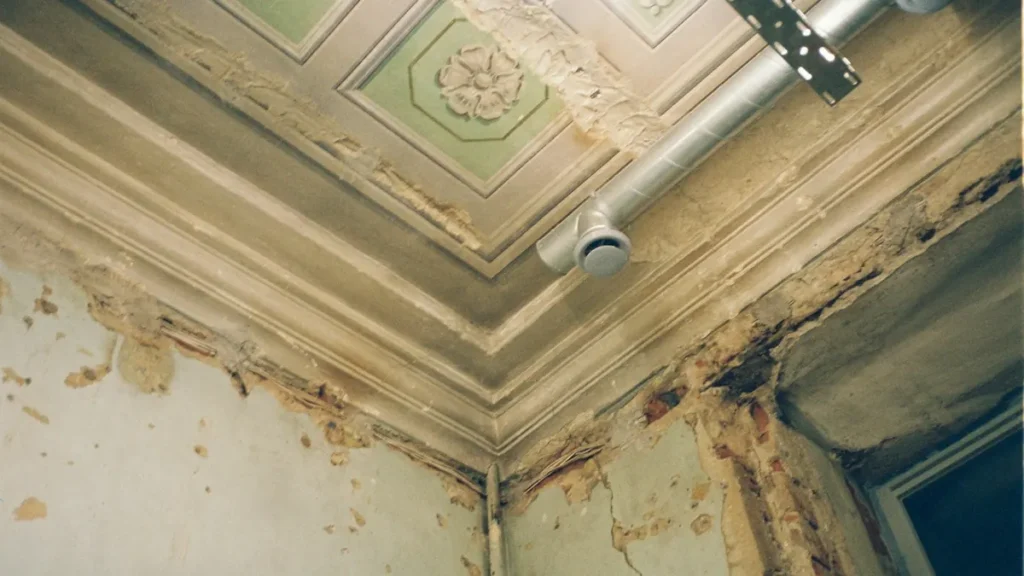
Water damage restoration is the full process of returning a home to its pre-loss condition after water gets where it should not be. It covers finding the source, removing the water, drying the structure, cleaning and sanitizing, and repairing what had to be removed.
Whether the water came from a burst pipe, a leaking water heater, an overflowing toilet or a summer storm, the steps are much the same. What changes is how much water there is, how clean it is and how long it sat. If you have water damage in Ocala, FL, call our team now. We answer 24/7, respond immediately and get to work.
Call (352) 555-0147When you need water damage restoration
- Standing water on floors, in carpet or in a garage after a leak or storm
- Ceiling stains, sagging drywall or water dripping from light fixtures
- Wet carpet, swollen baseboards or wood floors that are cupping
- A musty smell or visible mold after a past leak
- Water that came from a toilet, drain or outside floodwater (contaminated water)
- Any leak that has soaked into walls, cabinets or under flooring
Why fast restoration matters in Ocala
Ocala’s humidity is the big factor. Wet materials dry slowly in humid air, and mold can start growing on drywall, wood and carpet pad within 24 to 48 hours. A leak that might be a simple dry-out in the first day can turn into tear-out and mold remediation by day three.
Most homes in Marion County are built on concrete slabs with drywall and baseboards right at floor level, so water wicks up walls quickly. Homes with wood floors, laminate or tile over a slab can trap water underneath where you cannot see it.
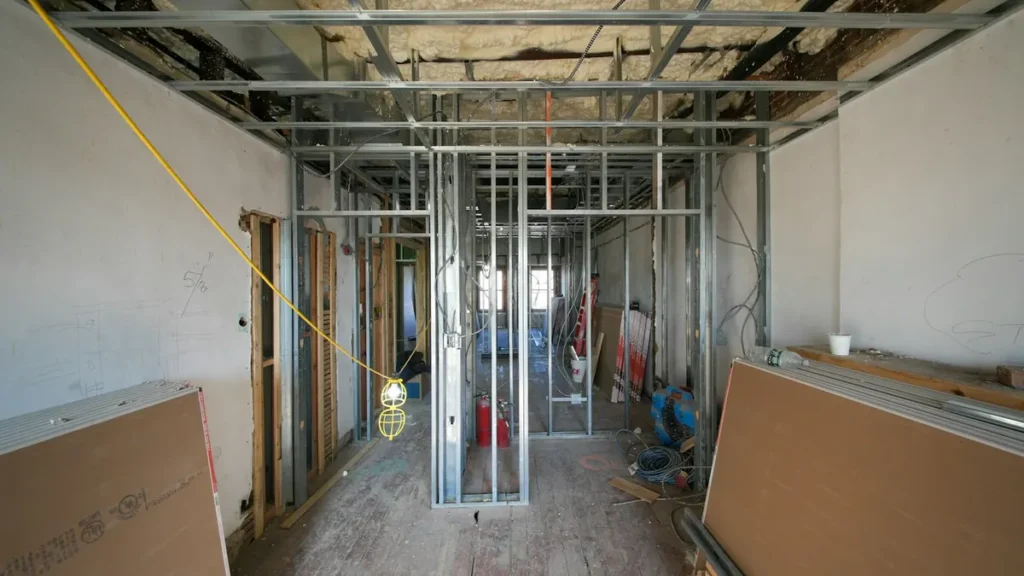
The water damage restoration process
- Emergency contact and dispatch. You call, describe the damage and our team is on the way.
- Inspection and moisture mapping. The crew finds the source, classifies the water (clean, gray or black) and uses moisture meters and thermal imaging to find every wet area.
- Water extraction. Truck-mounted or portable extractors pull standing water out of carpet, pad and hard floors.
- Removal of unsalvageable materials. Wet pad, swollen baseboards, saturated insulation or drywall that cannot be dried is removed.
- Structural drying. Air movers and commercial dehumidifiers run until readings show materials are dry, usually several days.
- Cleaning and sanitizing. Affected areas are cleaned and treated to limit odor and microbial growth.
- Repairs and rebuild. Drywall, baseboards, flooring and paint are replaced so the home looks right again.
Ask the crew to explain what needs to be removed and why, and get the scope and price in writing before work starts.
What to do right now
- Stop the water at the source or turn off the main water valve.
- Turn off electricity to wet rooms at the breaker if you can do it safely.
- Move furniture, rugs and valuables off wet floors.
- Take photos and video before anything is moved or removed.
- Call your insurance company to start a claim.
- Call for professional water damage restoration.
For a full checklist, read what to do after water damage.
Clean water, gray water and black water
Restoration crews sort water damage into three categories. Category 1 is clean water from a supply line or faucet. Category 2 (gray water) has some contamination, such as washer or dishwasher discharge. Category 3 (black water) is grossly contaminated: sewage, toilet overflows with waste and outside floodwater.
Clean water can turn into gray or black water if it sits for days. The category decides what can be dried in place and what must be removed, so tell the crew exactly where the water came from.
Water Damage Restoration across Ocala and Marion County
We cover every Ocala ZIP code from 34470 to 34482, including Downtown Ocala, the Historic District, Paddock Park, the SR 200 corridor and On Top of the World, plus nearby Silver Springs, Silver Springs Shores, Belleview, Marion Oaks, Summerfield, Dunnellon, Reddick and Anthony.
Related water damage services


Not sure what caused the damage? See all water damage services, read the FAQ or learn about insurance claims.